Flock Safety Offers Generous Voluntary Buyouts to Staff Amid Plummeting Morale and Mounting Privacy Backlash

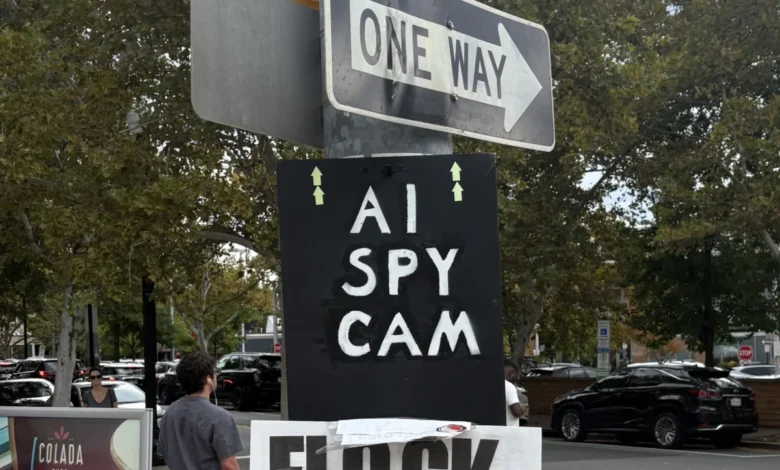
The embattled surveillance technology firm Flock Safety announced a comprehensive voluntary buyout program on Friday, offering what internal communications describe as the most generous severance packages in the company’s history. Facing intense public scrutiny, rapid municipal contract cancellations, and significant internal strain over the alleged misuse of its automated license plate recognition (ALPR) systems, Flock is bracing for a substantial reduction in its 1,500-person workforce. According to leaked internal memos and industry reports, the startup anticipates that a significant portion of its employees will opt for the departure packages, which the leadership team has agreed to grant to the vast majority of interested applicants.
This strategic pivot toward voluntary separation allows the company to trim its headcount while managing the severe psychological and professional fallout currently affecting its personnel. Industry analysts note that without these voluntary buyouts, Flock would almost certainly have been forced to implement involuntary layoffs as revenue streams contract and public sector clients sever ties at an unprecedented rate. The move highlights the profound vulnerability of private tech companies whose business models depend heavily on law enforcement partnerships and public trust.
The Genesis and Expansion of Flock Safety
Founded with the mission to eliminate crime in communities, Flock Safety rapidly grew into a dominant force in municipal and law enforcement surveillance. The company’s core product relies on a sprawling network of solar-powered, fixed-position cameras equipped with advanced optical character recognition and artificial intelligence capabilities. These devices capture vehicle make, model, color, license plate, and even temporary descriptors, uploading the data to a centralized cloud database accessible to subscribing police departments and private neighborhood associations.
For years, the startup enjoyed explosive growth, securing lucrative municipal contracts across the United States. Law enforcement agencies championed the technology as a vital force multiplier, crediting the system with helping to locate stolen vehicles, track down kidnapping suspects, and solve violent crimes swiftly. However, as the camera footprint expanded into hundreds of cities and suburban enclaves, civil liberties organizations, privacy advocates, and legal experts raised persistent red flags regarding the constitutional implications of mass, continuous tracking of ordinary citizens.
The Turning Point: Investigative Reporting and the August Exodus
The current crisis facing Flock Safety crystallized over the summer, transforming simmering privacy debates into a full-scale corporate emergency. The tipping point arrived in early August, when a comprehensive investigative report published by The Washington Post revealed a disturbing pattern of technological abuse by law enforcement officers. The investigation identified at least 46 distinct cases wherein police officers allegedly misused Flock’s vast camera network to spy on personal acquaintances, including estranged wives, girlfriends, and ex-partners.
The revelation that public safety infrastructure could be so easily subverted for personal stalking and harassment triggered an immediate legislative and public backlash. The fallout was swift and catastrophic for the startup’s municipal partnerships. State governments quickly took defensive action; officials in Florida and Texas announced formal initiatives to block or restrict the deployment of Flock cameras over profound privacy concerns.

Simultaneously, local municipalities began exiting their contractual agreements at a dizzying pace. Data compiled by anti-surveillance advocacy groups indicated that approximately 90 cities terminated their contracts with Flock Safety in August alone. This figure represented a staggering fourfold increase compared to the cancellations recorded in the previous month, signaling a decisive shift in public sentiment and municipal risk tolerance.
Internal Turmoil and Leadership’s Assessment
The cascading loss of public trust has inevitably taken a heavy toll within the corporate offices of Flock Safety. CEO Garrett Langley recently addressed the situation during an appearance on the All-In podcast, candidly admitting that the primary damage inflicted by the intense public backlash has not merely been financial or reputational, but psychological. Langley acknowledged that internal morale has plummeted as employees grapple with the societal implications of the technology they build and the relentless negative media coverage surrounding the firm.
By introducing an exceptionally lucrative voluntary buyout package, Flock is attempting to offer a graceful exit strategy for demoralized workers who may no longer wish to be associated with the brand or the industry sector. HR communications emphasize that the packages are designed to provide financial security for those choosing to leave, effectively functioning as a humane alternative to cold corporate downsizing while simultaneously purging the organization of disaffected staff.
Broader Implications for the Surveillance Tech Industry
The unfolding crisis at Flock Safety serves as a watershed moment for the broader public-private surveillance ecosystem. For years, tech startups catering to law enforcement have operated under a relatively permissive regulatory environment, benefiting from urgency around public safety and a general lack of federal oversight regarding biometric and ALPR data collection.
The events of August and September 2026 demonstrate that public tolerance for unchecked surveillance is reaching a saturation point. When high-profile abuse cases emerge, the reputational contagion spreads rapidly from the offending individual officers to the municipal agencies that deploy the tools, and ultimately to the private corporations that manufacture them.
Legal and policy experts suggest that Flock’s struggles will likely prompt tighter regulatory frameworks nationwide. Lawmakers in various states are already drafting legislation to mandate strict auditing procedures, limit data retention periods, and introduce severe criminal penalties for law enforcement personnel who misuse government-accessible databases. For Flock Safety, surviving this existential threat will require not only restructuring its workforce and reassuring remaining employees, but fundamentally overhauling its governance, accountability mechanisms, and ethical safeguards to win back the trust of a skeptical public.